One of the most common questions asked by foreign investors in 2026 is:
Can you get a long term visa in Thailand by buying property?
The answer is yes, under specific government approved long stay programs and subject to immigration approval. While purchasing property in Thailand does not automatically guarantee residency, there are legal pathways where qualifying real estate investments may support visa eligibility.
One of the most discussed options in Thailand’s property market involves the 3 million Baht condominium investment route, which has become increasingly popular among retirees, lifestyle investors, and foreign buyers looking for long term residence.
Property Based Long Stay Visa
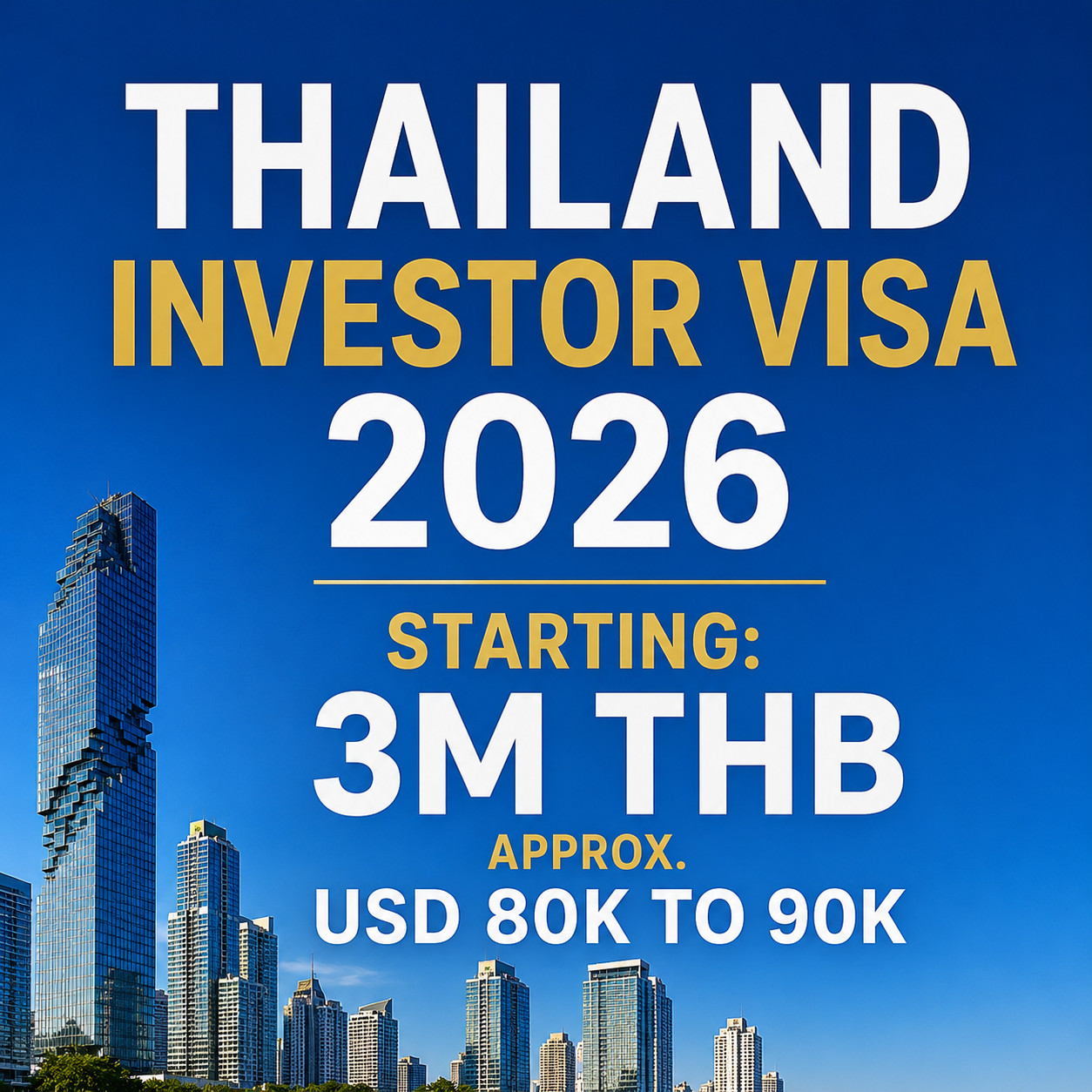
Minimum Investment Starting From 3 Million THB
Foreign buyers may qualify for a renewable long stay visa by purchasing qualifying property in Thailand with a minimum investment of:
Starting investment: 3,000,000 THB
Approximately USD 80,000 to 90,000, depending on exchange rates.
This route is designed for foreigners seeking to live in Thailand while maintaining a legally compliant property investment.
Eligible Property Requirements
To qualify, the property must generally meet the following conditions:
1. Freehold Condominium Ownership
The property must typically be a legally registered condominium unit.
Under Thai law, foreigners may own condominium units in their own name under the Condominium Act, provided foreign ownership in the building does not exceed 49 percent of the total project area.
2. Minimum Valuation Requirement
The property must have a minimum appraised or registered value of:
THB 3,000,000 or more
Thai authorities usually consider:
- The registered purchase price
- Or the official Land Department appraised value
Whichever is lower may be used during visa review.
3. Overseas Transfer of Funds
All funds used for the purchase must be transferred from outside Thailand in foreign currency.
This is an important compliance requirement and must be supported by banking documentation.
How the Visa Process Works
After completing the property purchase, the investor usually proceeds through several stages:
Step 1. Property Registration
Ownership must be officially registered with the Department of Lands.
Official website: Thailand Land Department
Required documents typically include:
- Title deed (Chanote)
- Sale agreement
- Foreign Exchange Transaction documentation
- Passport and immigration records
Step 2. Certification Review
Applicants may need a property certification or supporting approval through long stay program channels recognized by Thai authorities.
Historically, this has involved coordination with:
Thailand Longstay Management
Official website: Thailand Longstay Company
Step 3. Immigration Application
The investor then submits the application to the Immigration Bureau.
Official website: Thailand Immigration Bureau
Application review usually includes:
- Property ownership verification
- Source of funds review
- Immigration background review
- Financial compliance checks
Visa Duration Structure
Once approved, the process may follow this structure:
Initial Stage
A temporary visa or entry approval may be issued during document review.
Extended Approval
After final approval, applicants may receive:
- An initial 15 month stay period
- Followed by renewable 12 month extensions
Renewals usually require the investor to continue meeting ownership and immigration conditions.
Important Legal Warning
Not every condominium automatically qualifies.
Before purchasing property for visa purposes, foreign buyers should verify:
- The unit is legally foreign freehold eligible
- The building still has foreign quota available
- The transfer funds meet immigration standards
- The title deed is free of encumbrances
- The project qualifies under immigration guidelines
This is especially important in 2026, as Thai authorities continue increasing scrutiny on nominee structures, source of funds, and foreign property compliance.
Legal Opinion
From an investment law perspective, the 3 million THB property visa route can be attractive for lifestyle investors, retirees, and buyers seeking residency flexibility.
However, buying a condominium purely for visa purposes without legal due diligence can create unnecessary risk.
The most successful foreign investors in Thailand are not only asking:
How much should I invest?
They are asking:
Does my property qualify, is my ownership structure compliant, and will my investment remain protected under future immigration review?
That is where professional legal planning becomes essential.